How to Water Indoor Plants Without Causing Root Rot
Watering indoor plants is a fundamental aspect of plant care, yet it is often a source of confusion and mistakes. Many plant owners struggle to find the right balance, leading to issues such as root rot or dehydration. Understanding the specific needs of your plants and the environmental factors at play is key to maintaining healthy growth. This article explores the signs of overwatering and underwatering, and provides best practices for watering common houseplants. By adopting a thoughtful approach, you can support your plants’ vitality and reduce the risk of common problems.
Indoor plants rely on consistent moisture levels, but the optimal amount varies widely depending on species, pot size, light conditions, and humidity. Striking the right balance requires observation and adjustment over time. It is not about following a rigid schedule but rather responding to the plant’s cues and the changing environment. This guide aims to equip you with the knowledge to make informed decisions, ensuring your plants thrive without the threat of root rot.
Understanding Root Rot and Its Causes
Root rot is a condition that occurs when plant roots are deprived of oxygen for extended periods, often due to overly moist soil. While it is commonly associated with overwatering, it can also result from poorly draining soil, compacted roots, or containers without drainage holes. When roots sit in waterlogged conditions, they become susceptible to fungal and bacterial pathogens that thrive in anaerobic environments. These pathogens attack the roots, causing them to decay and lose their ability to absorb water and nutrients.
Several factors contribute to root rot, including frequent watering without allowing the soil to dry, using heavy potting mixes that retain too much moisture, and placing plants in low-light areas where water evaporation is slow. Additionally, environmental conditions such as high humidity or cool temperatures can exacerbate the problem by slowing down the plant’s metabolism and water uptake. Recognizing these factors is the first step in preventing root rot.
Root rot often goes unnoticed until visible symptoms appear, making prevention and early detection crucial.
Plants affected by root rot may exhibit wilting, yellowing leaves, stunted growth, and a foul odor from the soil. In severe cases, the roots become mushy and dark, and the plant may collapse. If you suspect root rot, it is important to act promptly by removing the plant from its pot, trimming away affected roots, and repotting in fresh, well-draining soil. However, prevention through proper watering practices is far more effective than trying to remedy an advanced case.
Signs of Overwatering and Underwatering
Distinguishing between overwatering and underwatering can be challenging because some symptoms overlap. For instance, both conditions can cause leaves to wilt and turn yellow. However, there are subtle differences that can help you identify the root cause. Overwatered plants often have soft, limp leaves that may turn yellow or brown, and the soil remains consistently moist. The plant may also develop edema, which appears as small blisters on the undersides of leaves.
Underwatered plants, on the other hand, typically have dry, crispy leaves that may curl or become brittle. The soil pulls away from the sides of the pot, and the plant may appear stunted. In severe cases, leaves may drop off. It is important to check the soil moisture at the root level rather than relying solely on surface appearance. A moisture meter or simply lifting the pot to gauge its weight can provide valuable clues.
Another sign of overwatering is the presence of fungus gnats, small flying insects that thrive in moist soil. Their larvae feed on fungi and organic matter, and their presence often indicates consistently wet conditions. Conversely, underwatered plants may attract spider mites, which prefer dry environments. Observing these secondary indicators can help you fine-tune your watering routine.
Best Practices for Watering Common Houseplants
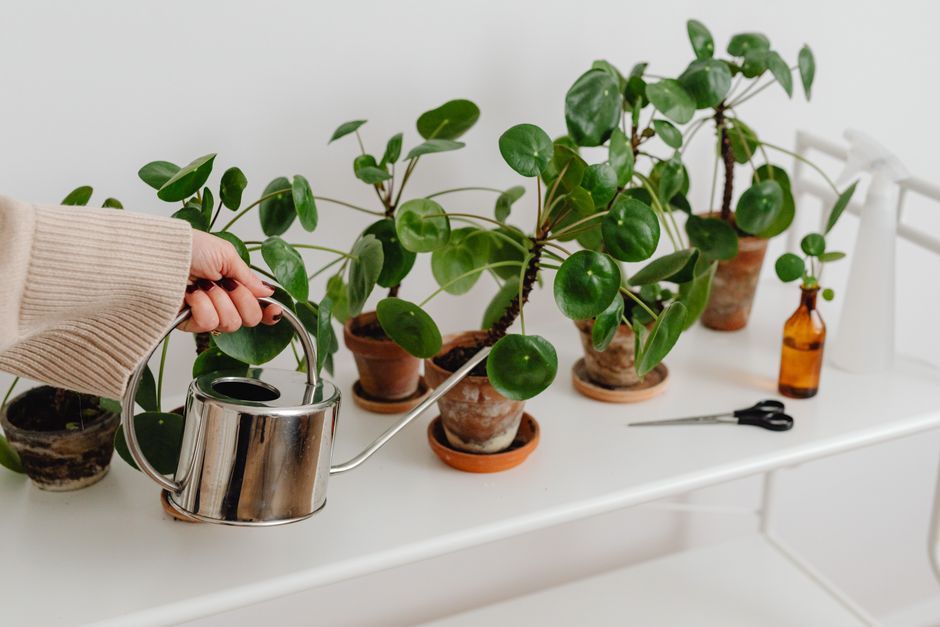
Different houseplants have different watering needs, but some general principles apply to most species. Always water thoroughly until water runs out of the drainage holes, then empty the saucer to prevent the plant from sitting in water. This ensures that the entire root ball is moistened and that excess water can escape. However, the frequency of watering depends on the plant type, pot size, and environmental conditions.
For common houseplants like pothos, spider plants, and peace lilies, allow the top inch or two of soil to dry out between waterings. Succulents and cacti, which are adapted to arid environments, prefer the soil to dry completely before watering again. On the other hand, ferns and calatheas enjoy consistently moist soil but not waterlogged conditions. It is essential to research the specific needs of your plants and adjust accordingly.
When in doubt, it is better to underwater than to overwater, as most plants can recover from slight drought but not from prolonged saturation.
Using the right type of water can also make a difference. Tap water may contain chlorine and fluoride, which can accumulate in the soil and harm sensitive plants. Letting tap water sit overnight allows chlorine to dissipate, or you can use distilled or rainwater. Additionally, watering in the morning gives plants time to absorb water and allows excess moisture to evaporate during the day, reducing the risk of fungal issues.
Tools and Techniques to Prevent Root Rot
Several tools and techniques can help you avoid overwatering and root rot. A moisture meter is a simple device that measures the moisture level at the root zone, providing a more accurate reading than touching the soil surface. Alternatively, you can use a wooden stick or your finger to check the soil moisture a few inches down. If the stick comes out clean, the soil is dry; if it has soil clinging to it, the soil is still moist.
Choosing the right potting mix is also crucial. A well-draining mix that includes perlite, vermiculite, or coarse sand allows excess water to flow through quickly while retaining enough moisture for the plant. Repotting plants into containers with drainage holes is essential; decorative pots without holes can be used as cachepots, but the inner pot must have drainage. Additionally, adding a layer of gravel at the bottom of the pot is a common practice, but it can actually raise the water table and contribute to root rot. Instead, ensure the entire potting mix is well-draining.
Another effective technique is to group plants with similar watering needs together. This makes it easier to manage watering schedules and prevents accidentally overwatering some while underwatering others. Also, consider the season: plants generally need less water in winter when growth slows down, and more in spring and summer during active growth. Adjusting your watering routine to the plant’s growth cycle can prevent both under- and overwatering.
Environmental Factors and Plant Health
The environment in which your plants live plays a significant role in their water needs. Light intensity, temperature, and humidity all influence how quickly soil dries out. Plants in bright, warm locations with good air circulation tend to use water faster than those in low light and cool temperatures. Therefore, it is important to monitor your plants regularly and adjust watering as needed.
Humidity is another factor; in high humidity, water evaporates more slowly, so you may need to water less frequently. Conversely, in dry indoor heating conditions, plants may require more frequent watering. Using a humidifier or placing plants on a pebble tray can help maintain adequate humidity without saturating the soil. Additionally, avoid placing plants near drafty windows or heating vents, as these can cause rapid moisture loss and stress.
Pot size and material also affect moisture retention. Smaller pots dry out faster than larger ones, and porous materials like terracotta allow more evaporation than glazed ceramic or plastic. Understanding these nuances can help you tailor your watering approach to each plant’s specific situation.
Conclusion: Developing a Consistent Care Routine
Preventing root rot and maintaining healthy indoor plants revolves around observation, knowledge, and consistency. By learning to recognize the signs of overwatering and underwatering, and by implementing best practices such as using well-draining soil and checking soil moisture before watering, you can create an environment where your plants thrive. Remember that each plant is unique, and what works for one may not work for another. Keep a journal to track your watering habits and plant responses, and don’t hesitate to adjust your approach as you learn.
At GreenLeaf Gardens, we encourage a balanced and informed approach to plant care. With patience and attention, you can enjoy the beauty and benefits of indoor plants while minimizing the risk of root rot. Always consider the specific needs of your plants and the conditions in your home, and you’ll be well on your way to successful indoor gardening.