Seasonal Pruning Guide for Garden Shrubs and Trees
Pruning is a fundamental horticultural practice that involves the selective removal of plant parts to influence growth, health, and appearance. The timing and method of pruning vary significantly depending on the plant species, its growth cycle, and the desired outcome. Understanding these factors is essential for making informed decisions that support the long-term vitality of garden shrubs and trees.
This guide provides a seasonal framework for pruning common shrubs and trees, with an emphasis on the underlying principles rather than prescriptive rules. It covers the reasons for pruning, the tools and techniques involved, and how to align pruning activities with natural growth patterns. By adopting a thoughtful approach, gardeners can enhance plant structure, reduce pest and disease issues, and encourage optimal flowering and fruiting.
It is important to note that individual plant responses can vary based on local climate, soil conditions, and overall plant health. Therefore, the information presented here should be adapted to specific circumstances and, when necessary, supplemented with advice from local extension services or certified arborists.
Why Pruning Matters for Plant Health and Growth
Pruning serves multiple purposes, from maintaining plant size and shape to improving air circulation and sunlight penetration. When done correctly, it can direct energy toward stronger growth, remove dead or diseased tissue, and stimulate the production of flowers and fruit. However, improper pruning can weaken plants, create entry points for pathogens, and disrupt natural growth cycles.
One of the primary goals of pruning is to establish a strong framework. This involves removing crossing branches, narrow crotch angles, and weak wood that may break under snow or wind. For flowering shrubs, pruning can influence bloom quantity and quality by managing the age of wood. Some plants flower on new growth, while others bloom on old wood, and understanding this distinction is key to timing.
Additionally, pruning can be used to rejuvenate overgrown or neglected plants. By selectively removing older stems, you can encourage new, vigorous growth from the base. This process, known as renewal pruning, is often applied to shrubs that have become leggy or unproductive. It is important to approach rejuvenation gradually over a few seasons to avoid shocking the plant.
Another critical aspect is pest and disease management. Removing infected branches can limit the spread of problems, but it must be done with clean, sharp tools to ensure clean cuts that heal quickly. Disinfecting tools between plants is a standard practice to prevent cross-contamination. Overall, pruning is a tool for stewardship, not control, and should be guided by the plant’s natural tendencies.
Timing Pruning by Season and Plant Type
The timing of pruning is often dictated by the plant’s flowering cycle and growth habits. As a general guideline, shrubs that bloom on old wood—such as lilacs, forsythia, and mock orange—should be pruned immediately after flowering. This allows time for new growth to mature and set flower buds for the following season. Pruning these plants in late winter or early spring would remove the flower buds and reduce or eliminate blooms.
In contrast, plants that flower on new wood—like panicle hydrangeas, butterfly bush, and many roses—can be pruned in late winter or early spring before new growth begins. This encourages vigorous shoots that will produce flowers later in the season. For evergreens, the timing depends on whether they are needle-leaf or broadleaf. Needle-leaf evergreens generally benefit from pruning in late winter to early spring, while broadleaf evergreens are best pruned after the danger of frost has passed.
Trees require a different approach. Deciduous trees are typically pruned in dormant season (late winter) when structure is visible and sap flow is minimal. However, some trees, like maples and birches, are prone to heavy sap bleeding if pruned in late winter; for these, early summer pruning is often preferred. Dead, damaged, or diseased branches should be removed whenever noticed, regardless of season, to prevent hazards and disease spread.
Summer pruning can be used to slow growth or reduce size, but it may also stress plants if done excessively. Light pruning for shaping or removing water sprouts can be done in early summer. It is advisable to avoid pruning in late summer or early fall for most plants, as new growth may not harden off before winter, leading to dieback.
It is also helpful to consider local climate and microclimate. In colder regions, late-season pruning can leave plants vulnerable to winter injury. In warmer areas, pruning may be possible year-round, but still should respect the plant’s growth cycles. Observing plants over a full year can provide valuable insights into the best timing for each species.
Essential Tools and Techniques for Clean Cuts
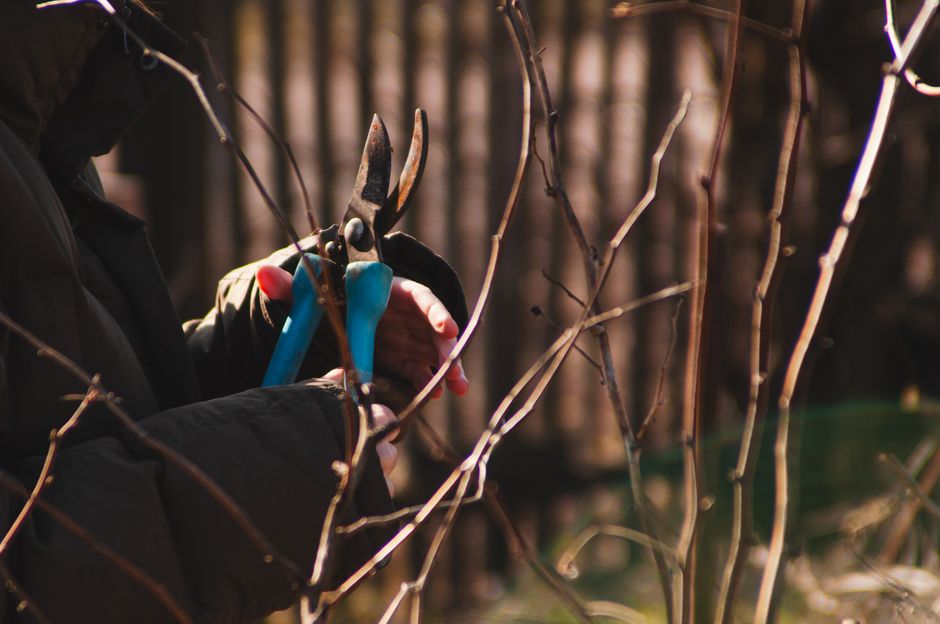
Having the right tools and using proper techniques are fundamental to effective pruning. The most common tools include hand pruners (bypass or anvil), loppers, pruning saws, and pole pruners. Bypass pruners make clean cuts by slicing, while anvil pruners crush stems and are better for dead wood. Loppers provide leverage for thicker branches, and saws are used for branches too large for loppers.
Technique matters as much as the tool. Always make cuts at a slight angle, just above a bud or lateral branch, to encourage directed growth. For larger branches, use the three-cut method to prevent bark tearing: first, make an undercut a few inches from the trunk; second, make a top cut further out to remove the branch; third, make a final cut at the branch collar. The branch collar is the swollen area where the branch meets the trunk; cutting just outside it promotes natural healing.
Tool maintenance is equally important. Keep blades sharp to ensure clean cuts that seal quickly. Disinfect tools with a solution of isopropyl alcohol or bleach between plants, especially when working with diseased material. This simple step can prevent the spread of pathogens. Also, wear appropriate safety gear, including gloves and eye protection, to reduce the risk of injury.
For specialized pruning, such as topiary or espalier, additional tools like shears and specialty snips may be needed. These techniques require patience and regular attention to maintain the desired form. Regardless of the task, the goal is to work with the plant’s natural growth rather than against it, minimizing stress and promoting health.
Pruning Shrubs: Timing and Methods for Common Types
Shrubs are diverse in their growth habits and pruning requirements. Spring-flowering shrubs, such as rhododendrons, azaleas, and lilacs, set their buds in the previous year. Prune them immediately after they finish blooming to allow new growth to mature and set buds for next year. If you prune them in early spring, you remove the flower buds and sacrifice the current season’s display.
Summer-flowering shrubs, including hydrangeas (panicle and smooth types), abelia, and crape myrtle, produce flowers on new growth. Prune them in late winter or early spring to stimulate vigorous shoots. For these plants, a hard pruning can often lead to larger, though sometimes fewer, blooms. Deadheading—removing spent flowers—can also encourage additional flowering in some species.
Evergreen shrubs, such as boxwood, holly, and yew, are often pruned for shape and size. They can be pruned in late spring or early summer after new growth has flushed. However, avoid pruning too late in the season, as new growth may not harden off before winter. For hedges, regular light pruning during the growing season helps maintain a dense, tidy appearance.
Rejuvenation pruning is used for overgrown, multi-stemmed shrubs like forsythia, dogwood, and viburnum. This involves cutting a third of the oldest stems to the ground each year over three years. This method gradually renews the shrub without sacrificing all blooms at once. It is best done in late winter or early spring before new growth begins.
- Spring-flowering shrubs: prune right after bloom.
- Summer-flowering shrubs: prune in late winter/early spring.
- Evergreen shrubs: prune after new growth flushes.
- Rejuvenation: remove one-third of old stems annually.
Pruning Trees: Structural Development and Maintenance
Trees require a long-term perspective when it comes to pruning. Young trees benefit from structural pruning to develop a strong central leader and well-spaced branches. This involves removing competing leaders, narrow-angled branches, and those that rub against each other. Structural pruning should be done in late winter while the tree is dormant, making it easier to see the branch structure.
Mature trees generally need less pruning, focusing on removing dead, diseased, or hazardous branches. This type of pruning can be done anytime but is often scheduled during dormant season to minimize stress and pest exposure. For large trees, it is advisable to hire a certified arborist, as improper pruning can cause irreparable damage and create safety hazards.
When pruning trees, always follow the three-cut method for branches larger than one inch in diameter. This prevents bark tearing and allows the tree to seal the wound. Avoid leaving stubs, which can die back and invite decay. Also, avoid topping—the drastic removal of large branches—which can lead to weak, rapid growth and long-term decline.
Some trees, like oaks and elms, are susceptible to diseases such as oak wilt and Dutch elm disease, which can be spread by pruning at certain times of year. In many regions, it is recommended to avoid pruning these species during the active growing season when insect vectors are present. Always check local guidelines before pruning susceptible species.
Fruit trees have specific pruning needs to maximize yield and manage size. They are often pruned in late winter to early spring to encourage fruiting wood and open the canopy for light and air. Different training systems, such as central leader or open center, dictate the pruning approach. Regular annual pruning helps maintain productivity and tree health.
Pruning is as much an art as it is a science. Observing how a plant responds to cuts over time is the best teacher.
Aftercare and Common Mistakes to Avoid
After pruning, proper aftercare can help plants recover and thrive. Watering during dry periods and applying mulch can reduce stress. Avoid heavy fertilization immediately after pruning, as this can stimulate excessive, weak growth. Instead, maintain a balanced fertility program based on soil tests. Monitor for pests and diseases, as pruning wounds can be entry points.
Common mistakes include pruning at the wrong time, making flush cuts that remove the branch collar, and leaving stubs. Over-pruning can weaken plants and reduce flowering, while under-pruning can lead to overcrowding and poor air circulation. Using dull or dirty tools can also cause damage and spread disease. Taking the time to learn proper techniques and timing can prevent these issues.
Another mistake is pruning without a clear objective. Before making any cut, ask yourself why you are pruning and what you hope to achieve. This mindful approach leads to better outcomes for both the plant and the garden. Remember that pruning is a gradual process; it is often better to remove a little each year than to drastically cut back a plant all at once.
Finally, keep records of your pruning activities. Notes on timing, methods, and plant responses can inform future decisions and help you refine your approach. Sharing observations with other gardeners or consulting local resources can also enhance your skills. With practice, pruning becomes an intuitive part of garden maintenance that supports the health and beauty of your landscape.