Natural Ways to Control Aphids in Your Garden
Aphids are common garden pests that can multiply rapidly and affect a wide range of plants. These small, soft-bodied insects feed on plant sap, often congregating on new growth, underneath leaves, and along stems. While a small number of aphids may not cause noticeable harm, their populations can explode under favorable conditions, leading to curled leaves, stunted growth, and the transmission of plant viruses. Many gardeners seek methods to manage aphids that align with ecological principles, avoiding harsh chemicals that can disrupt beneficial insect populations and soil health.
Natural aphid control focuses on prevention, monitoring, and the use of biological or botanical interventions that work with the garden ecosystem. This approach emphasizes understanding aphid life cycles, encouraging natural predators, and creating conditions that make plants less susceptible to infestations. In the United States, gardeners can adopt a variety of techniques suited to different climates and plant types, from introducing ladybugs to applying neem oil and practicing companion planting. Each method has its own context and considerations, and combining several strategies often yields the most consistent results.
This article explores several eco-friendly approaches to managing aphids, explaining how they work and how they can be integrated into a holistic garden care routine. The information provided is intended for educational purposes and does not replace professional advice. Gardeners should observe their specific situations and adjust methods accordingly, as outcomes depend on factors such as local climate, plant health, and the presence of other insects.
Understanding Aphids and Their Impact on Gardens
Aphids are part of the order Hemiptera and are found in nearly every region of the United States. They range in color from green and black to yellow and red, depending on the species. Their life cycle is complex, with some species alternating between host plants and others reproducing without mating. Under warm conditions, populations can double in a matter of days. Aphids excrete a sticky substance called honeydew, which can attract ants and promote the growth of sooty mold, a black fungus that reduces photosynthesis.
The damage caused by aphids varies with plant type and aphid species. Severe infestations can cause leaves to curl, yellow, and drop prematurely. Additionally, aphids can transmit viruses from plant to plant as they feed, leading to diseases that may be difficult to manage. However, not all aphid presence requires intervention. In many cases, natural enemies keep aphid numbers below damaging thresholds. Regularly inspecting plants, especially new growth and the undersides of leaves, helps in early detection.
Monitoring is a cornerstone of integrated pest management. Gardeners can use yellow sticky traps to gauge aphid activity or simply examine plants weekly. A strong stream of water from a hose can dislodge aphids and reduce their numbers without harming beneficial insects. This mechanical method is often the first step before considering other options. It is important to distinguish aphids from other small insects, such as thrips or whiteflies, as management strategies may differ.
Encouraging Beneficial Insects: Ladybugs and Other Predators
Ladybugs, also known as lady beetles, are voracious predators of aphids. Both adults and larvae consume dozens of aphids per day. Providing habitat for these insects can lead to a natural reduction in aphid populations. Plants such as dill, fennel, and yarrow attract ladybugs and other beneficial insects like lacewings and hoverflies. These insects are sensitive to broad-spectrum insecticides, so avoiding such chemicals is essential if you wish to support their populations.
Releasing purchased ladybugs can be a supplemental strategy, though success varies. Ladybugs tend to disperse quickly if released in large numbers. It is often more effective to create a garden environment that sustains them. This includes avoiding dusty conditions, providing shelter, and ensuring a source of nectar and pollen. GreenLeaf Gardens suggests that integrating flowering plants among vegetables can help maintain a balance of pests and predators.
Other natural enemies include parasitic wasps, which lay their eggs inside aphids, and ground beetles that feed on aphid eggs. These organisms contribute to a complex food web that can keep aphids in check. Building biodiversity through polyculture and avoiding monocultures are long-term strategies that support natural pest control. Over time, a garden with a diverse insect community may experience fewer severe aphid outbreaks.
Observation and patience are key when relying on beneficial insects; their populations often lag behind aphid outbreaks, so early intervention with other methods may be necessary.
Using Neem Oil and Other Botanical Sprays
Neem oil, derived from the seeds of the neem tree, is a botanical insecticide that can be effective against aphids. It contains azadirachtin, which disrupts insect growth and feeding. Neem oil works by contact and ingestion, and it has low toxicity to mammals and beneficial insects when used properly. However, it can harm some beneficial insects if applied when they are present. It is best applied in the evening when pollinators are less active. Thorough coverage of leaf undersides and stems is essential for effectiveness.
Other botanical options include insecticidal soap and horticultural oil. Insecticidal soap must be applied directly to the insects to be effective and can damage sensitive plants if not diluted correctly. Horticultural oil, such as mineral oil, suffocates aphids by blocking their spiracles. These products are generally considered safer than synthetic insecticides but still require careful use. Always follow label instructions and test on a small area before treating the entire plant.
When using any spray, it is important to understand that it may affect non-target organisms. For example, neem oil can be toxic to aquatic life, so avoid runoff into water bodies. Additionally, resistance can develop if the same product is used repeatedly. Rotating between different modes of action can help manage resistance. Gardeners should consider these sprays as part of a broader integrated approach rather than a sole solution.
Companion Planting and Cultural Practices
Companion planting involves growing certain plants together to repel pests or attract beneficial insects. For aphids, aromatic herbs like basil, mint, and cilantro may act as repellents. Garlic and chives are also commonly cited as deterrents. These plants can be interplanted among susceptible crops to reduce aphid colonization. However, scientific evidence for the effectiveness of companion planting varies, and results can depend on local conditions and plant combinations.
Cultural practices also play a role in aphid management. Avoiding excessive nitrogen fertilization is important, as high nitrogen levels can make plants more attractive to aphids. Using reflective mulches can disorient aphids and reduce their landing rates. Row covers can physically exclude aphids from plants, but they must be removed during flowering to allow pollination. Crop rotation and removing crop residues can help break aphid life cycles.
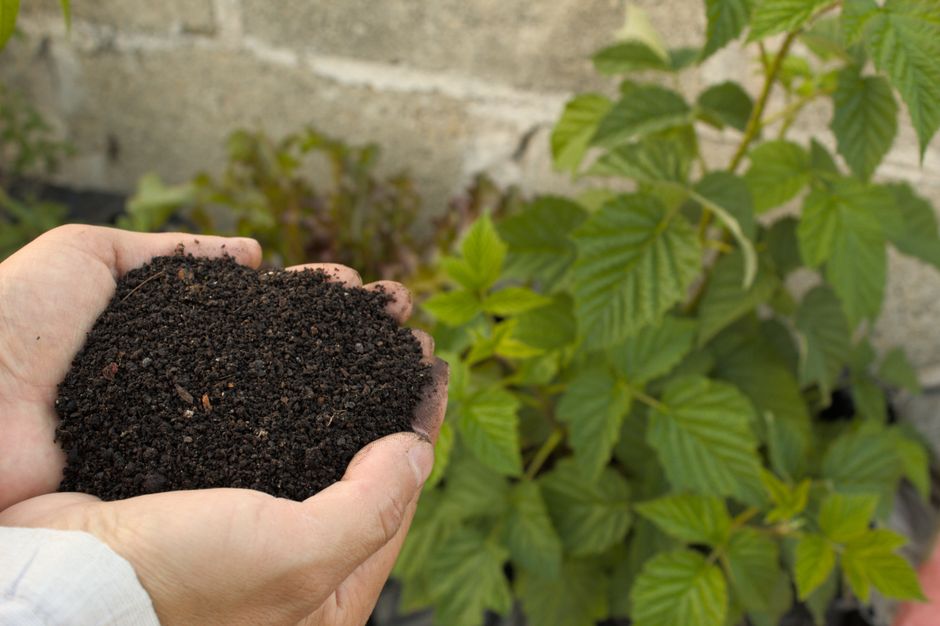
Maintaining healthy soil through organic matter and proper watering supports vigorous plants that may better withstand aphid feeding. Stressed plants are often more susceptible to infestations. GreenLeaf Gardens recommends a balanced approach that combines soil health, plant diversity, and regular monitoring. By integrating these practices, gardeners can create an environment that naturally discourages aphid outbreaks while supporting overall garden vitality.
Integrated Management and Responsible Use
An integrated approach to aphid control combines multiple strategies tailored to the specific garden context. Start with prevention through good cultural practices, then monitor regularly. If aphids exceed tolerable levels, consider mechanical removal such as water sprays or handpicking. Introduce or encourage beneficial insects. If further intervention is needed, use botanical sprays judiciously. Document what works in your garden, as each season may bring different challenges.
Responsible use of any control method includes considering its impact on the broader ecosystem. Avoid broad-spectrum pesticides that kill natural enemies and can lead to secondary pest outbreaks. Follow all label directions and local regulations. Remember that no method guarantees complete elimination of aphids; the goal is to manage populations below levels that cause significant damage. Over time, a garden with rich biodiversity tends to achieve a natural balance.
Gardeners in the United States can access resources from extension services and local gardening groups to learn more about aphid management. Keeping records of observations and treatments can help refine your approach. Ultimately, natural aphid control is a process of learning and adaptation, guided by respect for ecological principles and a commitment to sustainable practices.